Column · @martinphxv097
Jamaican Food in Denver: Rich Flavors and Local Favorites
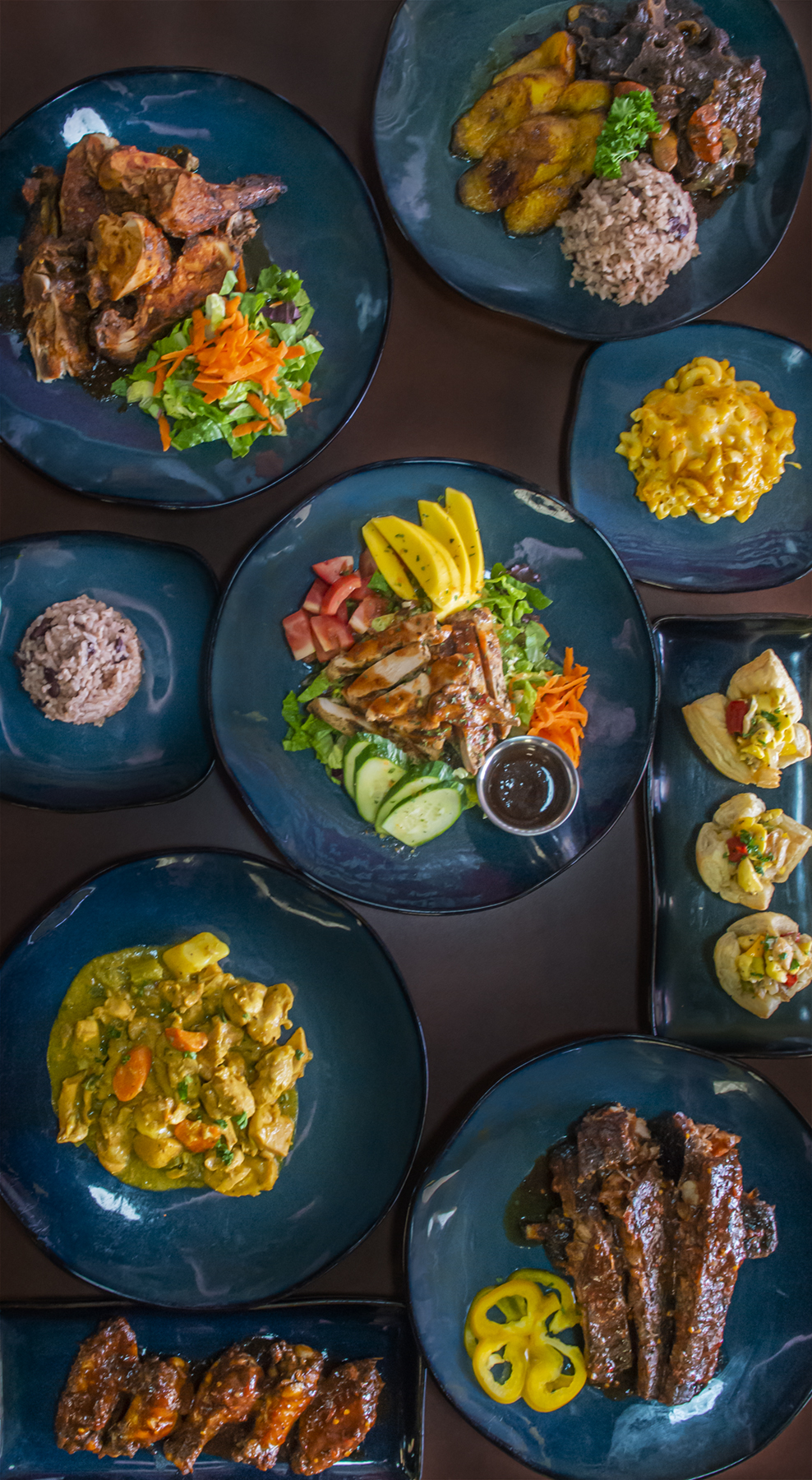
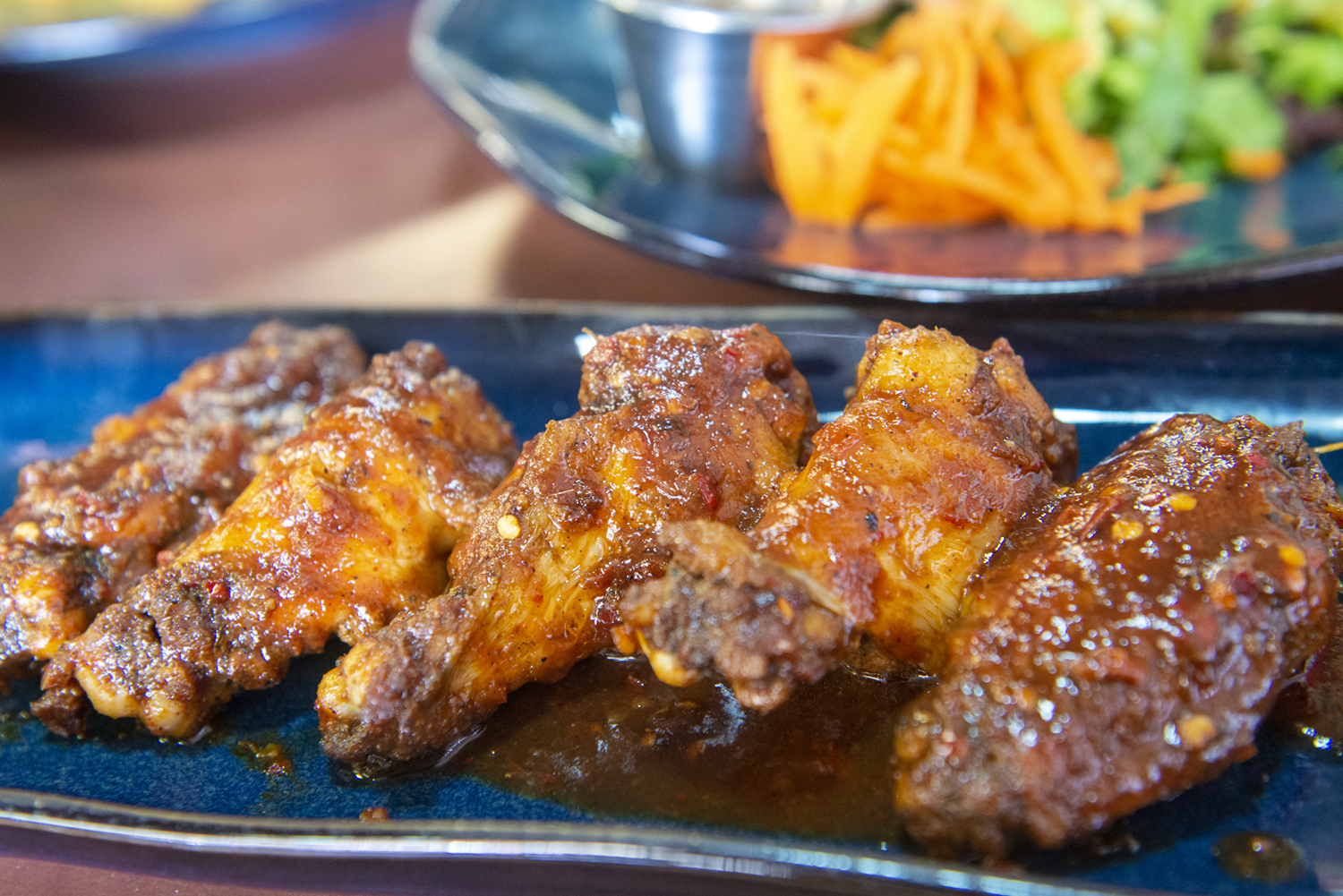
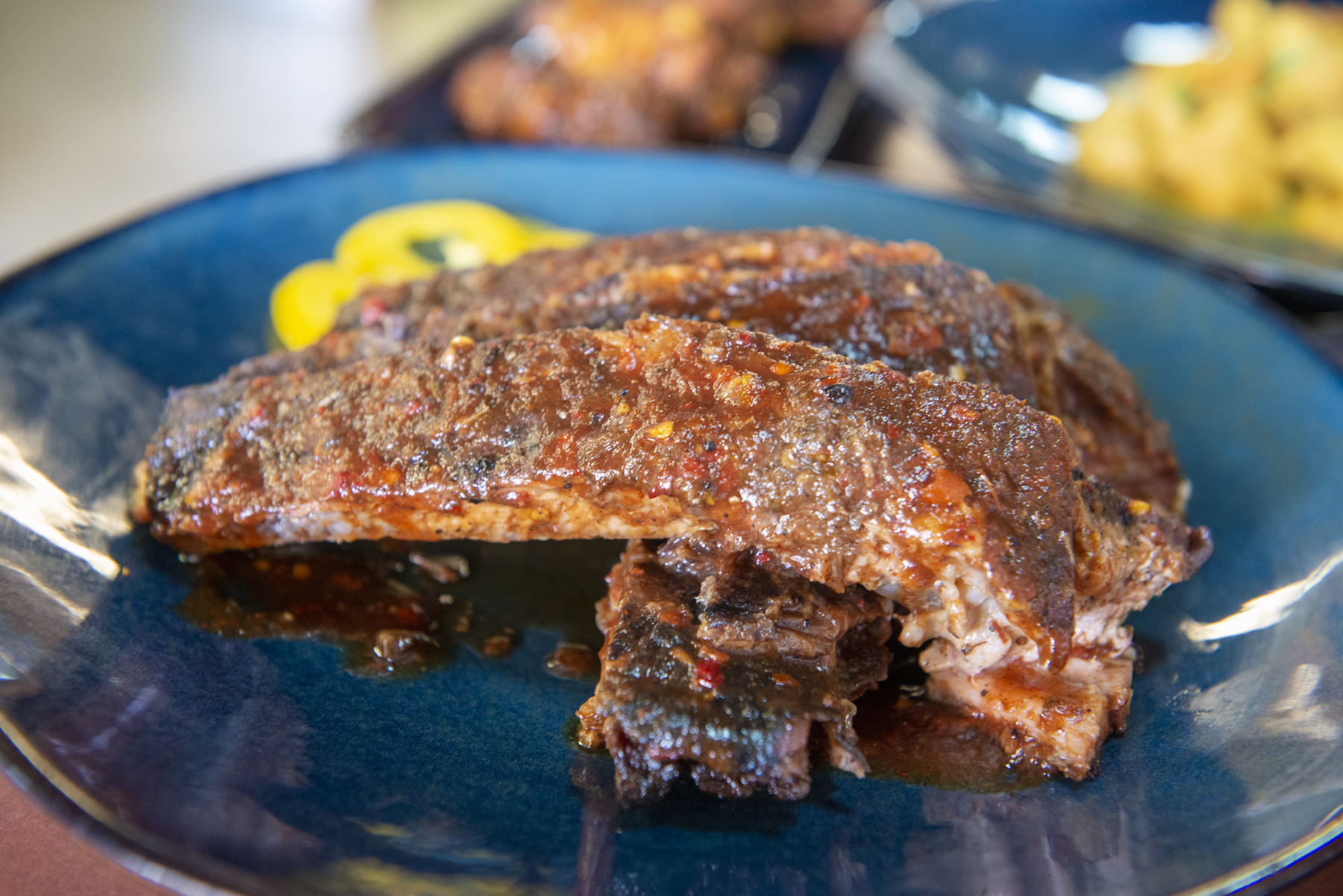
Denver is not the first city most people associate with Jamaican cooking, and that is exactly why the good spots leave such a strong impression. When you find a kitchen turning out proper jerk chicken, slow-braised oxtail, curry goat with real depth, or flaky beef patties with the right balance of heat and savor, it feels earned. You taste the labor. You notice the seasoning. You appreciate the difference between food that borrows a Caribbean label and food that actually respects the tradition.
The search for great Jamaican food in Denver has become easier over the past several years, but it still rewards attention. This is not a city where every block has a Caribbean steam table. The restaurants tend to build loyal followings through consistency, family recipes, and word of mouth. Some work from brick-and-mortar dining rooms, some lean into takeout, and some serve the kind of plates that disappear early because they were cooked in limited batches that day. That scarcity can be a good sign. Jamaican food is not meant to taste rushed.
What makes the Denver scene interesting is how it balances authenticity with local dining habits. People here want bold flavor, but they also care about convenience, portion size, and menu clarity. The best Jamaican kitchens in the city manage to deliver the soul of the cuisine without flattening it into a generic “spicy chicken and rice” experience. They keep the allspice, thyme, scallion, Scotch bonnet, ginger, curry blends, browning sauce, and long-cooked gravies in focus. They also understand that for many guests, one excellent plate can become a weekly habit.
What Jamaican food should taste like when it is done right
A lot of diners approach Jamaican food through jerk seasoning, which makes sense, but that is only one lane in a much wider road. Jamaican cooking is layered. Heat matters, but so do smoke, sweetness, herbaceousness, and the rounded savor that comes from time. The cuisine reflects African, Indigenous, European, and South Asian influences, all filtered through the ingredients and rhythms of the island. The result is food with backbone.
Take jerk chicken. Good jerk should not taste like a random hot sauce brushed over grilled meat. It should carry warmth from allspice, a grassy freshness from thyme and scallion, aromatic depth from garlic and ginger, and enough chile presence to wake up the palate without wiping it out. If the chicken has been marinated properly, the seasoning runs beneath the surface. If it has been cooked over smoke or charred with care, you get bitterness in the best sense, the kind that sharpens the sweetness in the meat.
Oxtail is another benchmark dish, and a revealing one. Proper oxtail is expensive to make and impossible to fake convincingly. It needs low heat, patience, and a cook who knows when the collagen has broken down enough to enrich the gravy without turning muddy. The meat should be tender but not stringy, and the sauce should coat the rice rather than pooling like soup. When Denver restaurants get it right, it becomes the plate regulars talk about first.
Curry goat often separates serious kitchens from casual ones. Goat needs thoughtful handling because it can dry out or toughen if it is pushed too fast. The best versions carry assertive curry flavor, but also sweetness from onion, earthiness from the meat itself, and a gentle funk that tells you the dish has character. It should not taste like generic yellow curry powder and stew.
Then there are the sides, which are rarely side characters in practice. Rice and peas, usually cooked with coconut milk and kidney beans, should smell fragrant before the plate even hits the table. Fried plantains add softness and caramel notes. Cabbage can bring a clean, lightly sweet contrast. Festival, those lightly sweet fried dumplings, can make a fiery plate feel complete. A restaurant that takes these supporting elements seriously usually takes the main dishes seriously too.
Why Jamaican food fits Denver better than people expect
Denver diners respond well to food with strong identity. You see it in the city’s affection for regional Mexican cooking, Ethiopian stews, Korean barbecue, wood-fired pizza, and slow-smoked meats. Jamaican cuisine belongs in that conversation because it is distinct, comforting, and full of contrast. It can be hearty without feeling heavy in the wrong way, especially when paired with bright sauces, fresh slaw, or vegetables.
The climate even plays a role. On a cold Front Range evening, there are few better meals than a plate of braised oxtail, rice and peas, and cabbage. During warmer months, jerk chicken and plantains feel equally right, especially if eaten outdoors or carried to a park. Jamaican food has range. It works as a quick lunch, a late dinner, a family carryout spread, or a dish you seek out when you want flavor that snaps you out of routine.
Denver also has a dining public that likes discovery but dislikes pretension. Jamaican food meets that mood well. The best restaurants are often straightforward places. Maybe the decor is simple. Maybe the menu board is compact. Maybe the line moves slowly because each order is assembled fresh. None of that matters if the kitchen knows what it is doing. In fact, those are often encouraging signs.
The plates locals come back for
When people talk about favorite Jamaican meals in Denver, the same core dishes tend to come up again and again, with good reason. These are the orders that convert first-time guests into repeat customers.
- Jerk chicken, ideally with charred edges, deep seasoning, and enough moisture to stand up to takeout
- Oxtail, for its rich gravy and slow-cooked tenderness
- Curry goat, when you want spice and depth without the smoke of jerk
- Beef patties, especially as a quick lunch or a low-commitment first order
- Rice and peas with cabbage or plantains, because a great plate depends on the details around the meat
What matters is not just which dish you pick, but how balanced the plate feels. A restaurant can serve excellent jerk, but if the rice is dry and the cabbage tastes like an afterthought, the experience drops a level. The most memorable Jamaican food in Denver tends to come from kitchens that understand the plate as a whole.
What to look for when choosing a Jamaican spot in Denver
Because the city does not have the density of Caribbean restaurants you would find in places like New York, South Florida, or parts of Toronto, choosing well matters. The menu itself offers clues. A tightly edited selection often means the kitchen is focusing on what it can execute properly. A place that offers a handful of mains, a couple of patties, and a few sides may be more dependable than one trying to cover every island cuisine at once.
Aromas tell you a lot too. If you walk in and smell smoke, spice, onions, and simmering stock, you are probably in good shape. Steam-table service is not a problem if the turnover is fast. In fact, some of the best stewed dishes hold beautifully. What you want to avoid is food that looks tired, separated, or dried out under heat lamps.
Timing can shape your experience more than people realize. Jamaican cooking relies on prep, marination, and long simmering. That means certain dishes sell out, especially on busy weekends. Going early can improve your odds if you have your heart set on oxtail or curry goat. Going at peak rush can mean a wait, but it also means the food is moving. A tray of jerk fresh from the grill is never a bad thing.
Service style varies. Some Denver spots lean fast-casual, with counter ordering and limited seating. Others feel more like neighborhood restaurants where you settle in and take your time. Neither is inherently better. For many people, Jamaican food is ideal takeout. The flavors travel well, and dishes like braises often taste even more integrated after a short rest in the container. Jerk can be a little trickier, since crisp skin softens in transit, but good seasoning still carries.
The role of spice, and the common misunderstanding around heat
One of the biggest misconceptions about Jamaican food is that it is supposed to be punishingly hot at all times. Scotch bonnet peppers are important, yes, but heat is only one tool. Real Jamaican cooking chases flavor first. The fruitiness of the pepper matters as much as the burn. The same goes for jerk paste, https://cruzyxrj689.oakridgedigest.com/posts/craving-jamaican-food-in-denver-start-here pepper sauces, and curried dishes. A smart cook layers intensity instead of blasting the palate.
This matters in Denver because restaurants often serve a mixed audience. Some guests grew up with Caribbean food and expect a certain level of fire. Others are curious but cautious. The better kitchens find ways to satisfy both groups, either by controlling the heat in the base dish or by offering sauces on the side. If you are unsure, ask. A good counter person will usually tell you whether the jerk is mild by island standards, whether the curry carries a slow build, or whether the house sauce deserves respect.
There is also a difference between heat that lives in the seasoning and heat that arrives later through condiments. If you want the full picture of a restaurant’s cooking, try at least one dish as the kitchen intends it. Adding extra sauce can be great, but it should not be required to make the food interesting.
How local ingredients and local habits shape the food
No regional dining scene exists in a vacuum. Jamaican food in Denver adapts in subtle ways, even when it stays true to the fundamentals. Sourcing can affect things. Fresh Scotch bonnet peppers are not always as easy to come by in every market as more common chiles, so some kitchens lean on habaneros or preserve certain ingredients strategically. That substitution is understandable if the flavor profile stays intact. Coconut milk, thyme, ginger, and allspice are easy enough to source, but the exact produce mix for sides can shift with season and supplier.
Customer expectations matter too. Denver diners tend to appreciate generous portions, and Jamaican restaurants usually deliver. That can be a real strength, since many dishes are built for abundance. A platter of jerk chicken with two sides should feel substantial. The danger, if there is one, is that oversized portions can encourage shortcuts in execution. A mountain of mediocre rice does not improve a plate. Better to serve a balanced portion with properly seasoned components than to chase volume for its own sake.
The city’s health-conscious culture also has some influence. You may see grilled options emphasized, more vegetable sides available, or lighter lunch combinations designed for office workers. None of that is a problem as long as the soul of the food remains. Jamaican cuisine has always included vegetables, stews, and practical everyday meals. It is not automatically “heavy food,” despite the stereotype.
Ordering well if you are new to the cuisine
If it is your first time exploring Jamaican food in Denver, the easiest mistake is playing it too safe. Ordering only plain grilled chicken or a generic bowl misses the point. At the same time, diving straight into the hottest sauce on the counter can flatten the flavors you came to discover.
A better approach looks like this:
- Start with one anchor dish such as jerk chicken or oxtail
- Pair it with rice and peas, not plain rice, so you taste the full plate as intended
- Add one contrasting side, often cabbage or plantains
- If beef patties are available, grab one for later or split it at the start
- Ask about house heat levels before loading on extra sauce
That combination gives you a useful read on a restaurant. You will taste smoke or braise, starch, vegetables, and one handheld item if patties are available. After that, you can branch into curry goat, escovitch-style fish if the kitchen offers it, or more specific specials.
What separates a memorable beef patty from a forgettable one
People sometimes treat patties as a snack category and move on, but they are worth paying attention to. A strong beef patty tells you a lot about a kitchen’s discipline. The crust should be flaky and slightly crisp at the edges, often with the distinctive yellow tint that comes from turmeric or curry in the dough. The filling should be seasoned enough to stand on its own, with enough moisture to stay pleasant but not so much that it turns soggy.
In Denver, patties also serve an important practical role. Not every diner has time for a full lunch plate, and not every restaurant can count on guests to sit for an hour. A patty bridges that gap. It is portable, affordable, and easy to compare across places. If a spot cannot produce a decent patty, I tend to lower my expectations for the rest.
Patties also pair surprisingly well with the city’s pace. You can grab one on a break, before a concert, or while running errands. That may sound small, but accessibility matters when a cuisine is still building habitual demand. A customer who falls for a patty today might come back for oxtail on the weekend.
The social side of Jamaican restaurants
One reason these restaurants develop loyal followings is that Jamaican food creates repeat rituals. People order family meals for gatherings. Coworkers split lunch trays. Someone discovers a place with excellent jerk and starts bringing friends. The experience becomes communal quickly because the food invites sharing and conversation.
That dynamic matters in a city like Denver, where neighborhoods are still defining their own food identities. A good Jamaican restaurant can become more than a place to eat. It becomes a marker of the area, a dependable answer to the question of where to take out-of-town guests when you want to show flavor rather than spectacle.
The music, the pace of service, and the language around the menu all contribute. Even in a modest space, there is often a strong sense of point of view. You know you are not in a generic fast-casual operation built from branding slides. You are in somebody’s idea of how this food should be made and served. That conviction comes through.
Why the best Jamaican food in Denver earns loyalty slowly
Some cuisines hook people on first bite through novelty. Jamaican food can do that, but more often it builds attachment through repetition. The first meal grabs you with spice and aroma. The second one teaches you how much the gravy matters. By the third or fourth, you have your own order, your preferred side combination, maybe a favorite day to go before the popular items sell out.
That is the rhythm of serious neighborhood food. It becomes part of your rotation because it satisfies a craving that other cuisines do not quite touch. You start wanting that specific jerk profile, that coconut-laced rice, that softness of braised oxtail over beans and gravy. You notice when a restaurant keeps standards high. You notice when it does not.
For anyone looking up jamaican food denver and wondering whether the city truly offers the real thing, the answer is yes, with one condition. You have to seek out the kitchens that cook with patience and confidence. Not every plate will be transcendent. Not every restaurant will nail every dish every day. But the good ones deliver flavors that are unmistakable, grounded, and deeply satisfying.
Denver may never rival larger Caribbean food hubs in scale, but scale is not the same as quality. A smaller scene can still be excellent, especially when it is sustained by cooks who care and customers who pay attention. That is where the city’s Jamaican food shines, in the places where the smoke is right, the gravy is rich, the cabbage still has life, and the meal feels like it came from a real tradition rather than a trend.
If you find one of those places, order generously, arrive early for the slow-cooked specialties, and do not neglect the sides. The best Jamaican meals in Denver are not just spicy or filling. They are balanced, soulful, and memorable in the way only carefully made food can be.
Reggae Pot Jamaican Grill
Address: 2243 S Monaco St Pkwy #104, Denver, CO 80222
Phone number: +17204102956
FAQ About Jamaican Food Denver
What is typical Jamaican food?
Typical Jamaican food features bold, vibrant flavors created by blending African, Taino, European, and Asian influences.
What is a famous Jamaican dish?
Ackee and saltfish is Jamaica's national dish, made by sautéing the soft local ackee fruit with salted cod, onions, tomatoes, and spicy Scotch bonnet peppers.
What food is most popular in Jamaica?
The most popular and famous food in Jamaica is Jerk Chicken, celebrated worldwide for its smoky, spicy flavor.